
When is a change of use planning application required?
We have sometimes been asked if it is ever possible to change the use of a building. One example would be changing a shop or retail business into a home. It can be done, but it involves applying to change the ‘Use Class’ of the prospective project
Change of use
Change of use can be a complex procedure, as all buildings are designated a particular Use Class. The system was updated in 2020 and very broadly splits buildings into Classes B, C, E and F, plus Sui Generis (which means a class of its own). The system covers all buildings, from private homes to rental properties, commercial properties and properties used by the public.
As architects, we are accustomed to working on refurbishment projects with clients who want to perhaps add an extension, convert a loft, build a basement or redesign the entire layout of an existing home. All these projects usually fall within the parameters of either requiring planning permission or being allowed within permitted development, or both. Major works to Listed buildings will always require Listed Building Consent.
‘Change of use’ is rather different; it potentially involves changing the designated use of a property, which falls under Town & Country Planning legislation. It may be necessary to work with planning law specialists to achieve that change of use.
Our architectural experts will be able to advise on what is required after the initial discussion with the client. Our client may be making a general enquiry as to whether a particular premises could be transformed, or may already own a property which they want to use in a different way.
If a client enquires about how to apply for a change of use, we would visit the site, assess the potential project and determine whether the change of use application is viable. We would then advise our client accordingly.
The Use Classes Order
We will discuss with our client the Use Classes Order, which is explained on the Government’s Planning Portal here.
‘Change of use’ classes are allowed within the same Use Class, or may move from one Use Class to another. Planning permission will still be required for projects that would need it anyway, and building regulations will also apply.
Change of use within a domestic household is most likely to come under Class C, particularly C3 Dwellinghouses. One possible example is where a shared house in multiple occupation, C4, has been sold and purchased with the intention of transforming it into a home for a single family. Extreme change of use cases may involve changing the Use Class under planning rules. For example, where a storage building or unused business or office space is to be changed into a residential property.
For a change of use from commercial to residential, advice and guidance from a planning law specialist would be required, and our architectural team would be involved as part of the overall project handling.
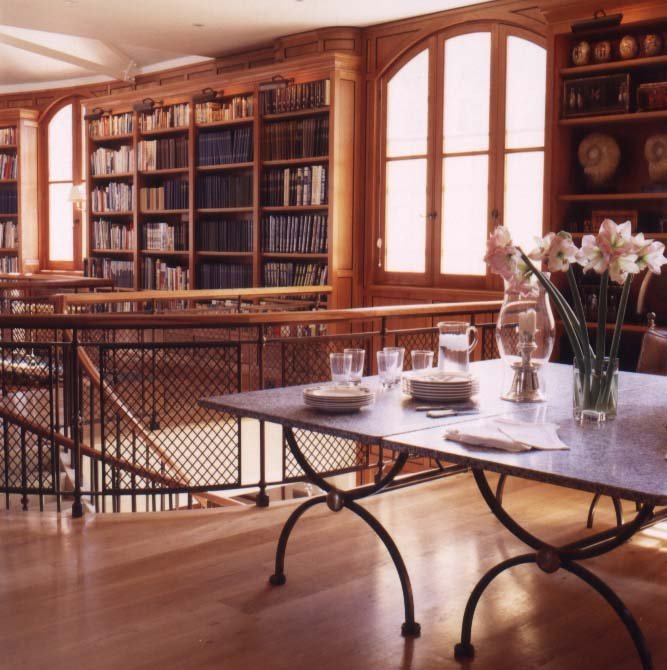
Our Converted Telephone Exchange project
Change of use project: From telephone exchange to luxurious apartment
One of our more unusual projects was creating an individual three-story dwelling by reconfiguring two separate flats within an old Edwardian telephone exchange. The telephone exchange had already been awarded a change of use permission prior to its conversion into apartments. See our project here.
JLE Studio expert view
Our architects are always keen to support clients with their creative projects, which are both challenging and unique. Taking on unusual and potentially innovative and complex projects may be a challenge, but working with our clients to achieve their goals is a hugely rewarding experience. Contact our expert team today to discuss your project.