JLE Studio: House refurbishment architects
Our approach to whole-house renovation
After an initial phone call, we will set up a meeting at the property to discuss the overall scope of the renovation and refurbishment. We will ask quite a few questions - from the size of the home and the number of rooms to its location and current condition.
What is the main purpose of the refurbishment?
Is it a ‘refresh’ or a ‘rebuild’?
Will a ground-floor extension and/or loft conversion be required?
What works about the existing layout, and what doesn’t work?
Can rooms be changed around – does the kitchen need to be repositioned, do bathrooms need to be added?
There are lots of other angles to be considered. A new kitchen could involve a walk-in larder, a wine cellar, a utility room. We may suggest re-arranging the layout of the main part of the house. We will ask if en-suite facilities are required, if a guest bedroom is needed, and how many children’s bedrooms there are. All these questions give everyone concerned an idea of the input required, from slotting in an extra cloakroom to looking at the possibility of creating a cinema room.
Most whole house renovations need a lot of behind-the-scenes refurbishments and repairs, from replacing plumbing and electrical systems to installing a new heating system, radiators and air conditioning. Smart systems are a big part of current home renovation trends now too, and need to be meticulously planned as the refurbishment progresses.
As whole-house modern and historic renovation architects, our aim is to get all the practical basics perfectly organised ahead of the more decorative processes. Our design team will be working on perfecting the bespoke wardrobes and cabinetry whilst the less glamorous structural and technical work is ongoing.
The specialist architects at JLE Studio are full-house refurbishment experts with the knowledge to make your dream home a reality. Our highly qualified team has the experience to design the perfect space for your family.
Whole house renovation services: What is a whole house project?
At JLE Studio, we are very often involved in what we call ‘whole house projects’ where we are responsible for transforming the entire property. Our clients may have purchased a house that is run down and neglected, and we are tasked with transforming it into a vibrant, practical and beautiful home.
These can be huge projects involving multiple skills. Our knowledge and experience of planning requirements, down to the intricate details of the most suitable design for ceiling coving, come into play.
Our experience of working on Listed homes is widely recognised, and many of our projects blend ultra-contemporary design features with restored and renovated Listed features.
We guide our clients through the timeline of their home renovation, from the initial conversations discussing the overall project aim to the final reveal of an exquisitely finished home.
Take a look at JLE studio’s whole-house renovation projects
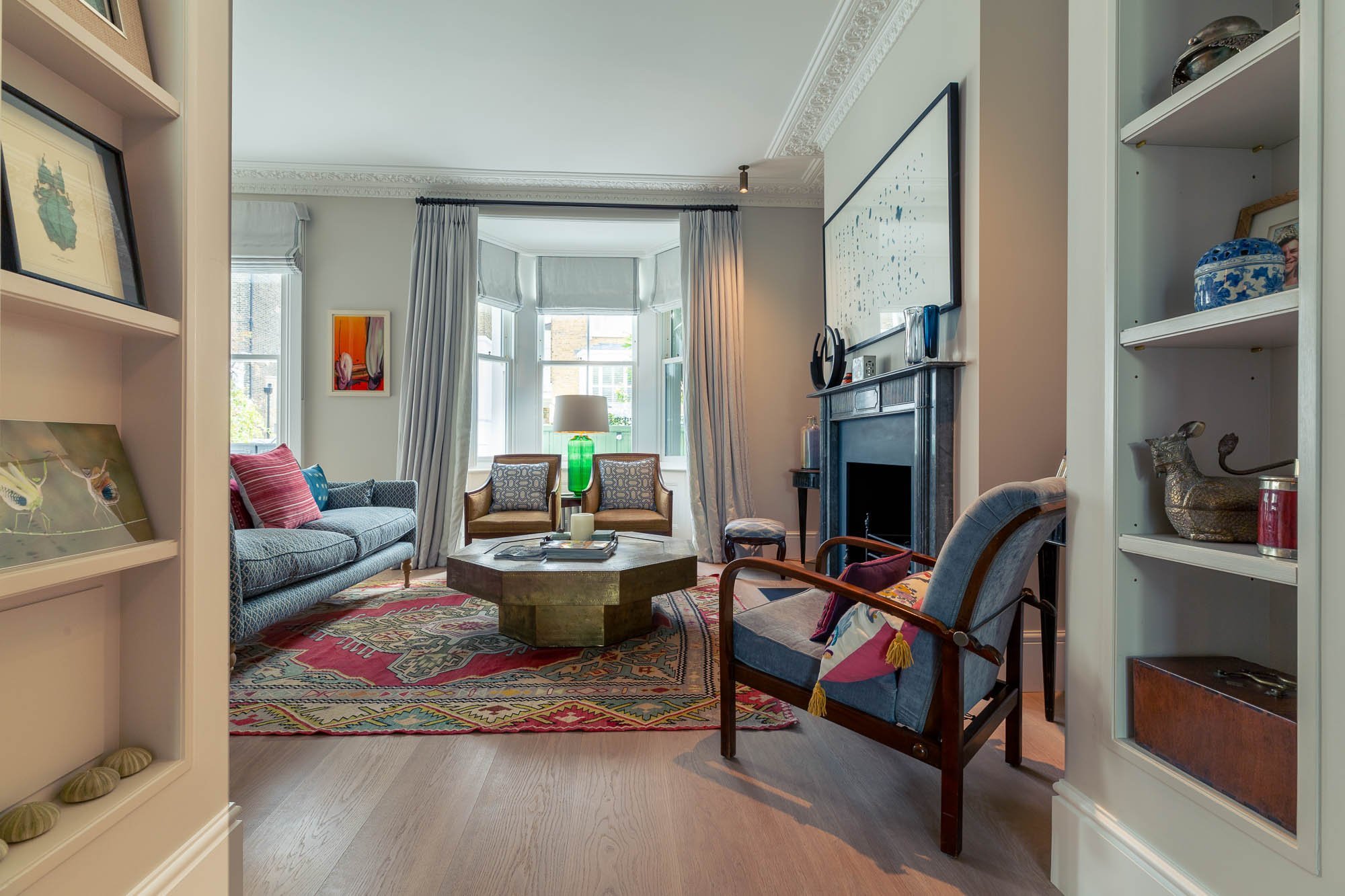
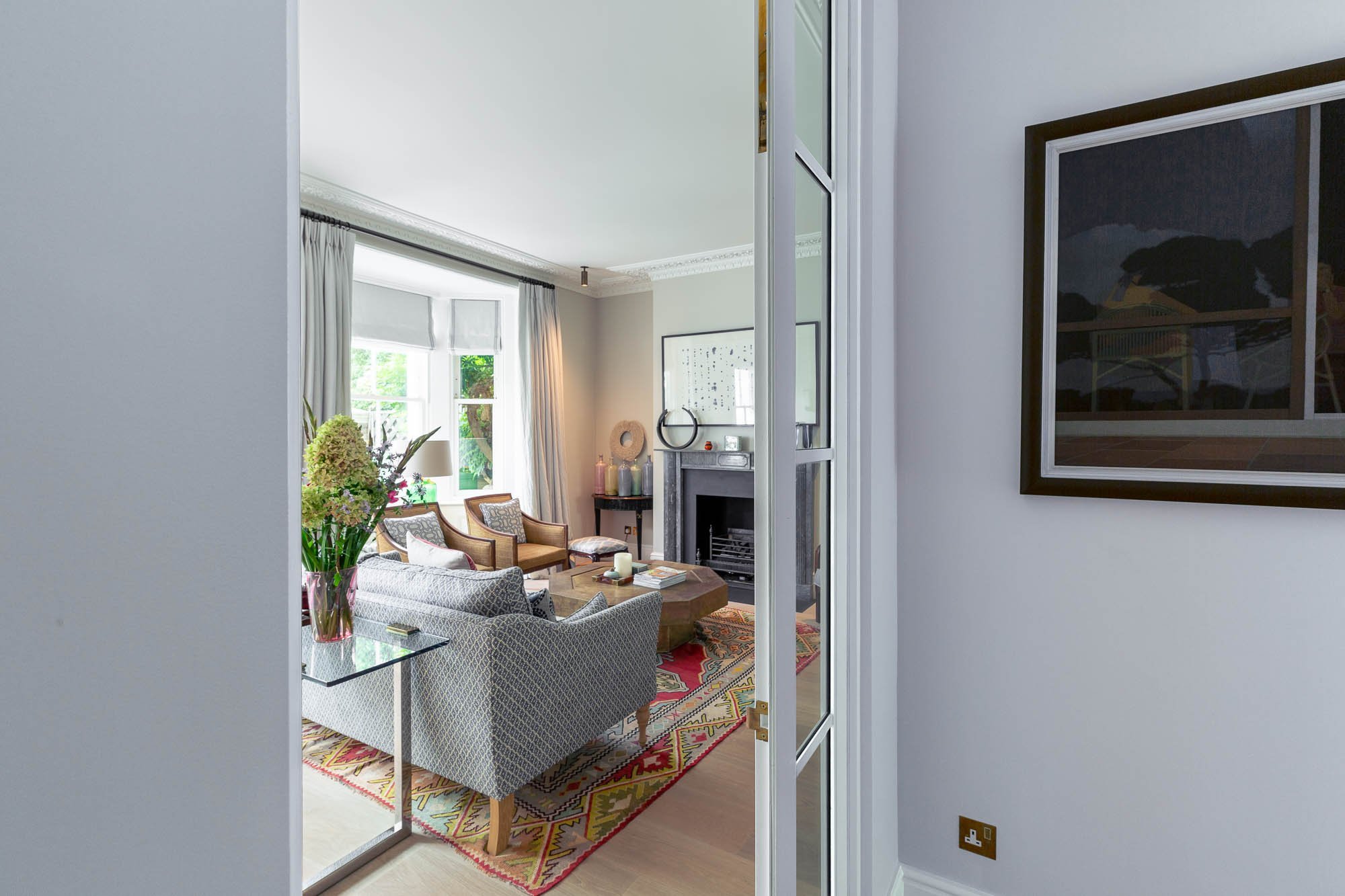
Our Listed Chelsea Townhouse project was the full refurbishment of a Grade II Listed townhouse. We worked with the decorative period details to retain the harmony and elegance of the house, whilst bringing it up to date and making the most of the beautifully airy rooms.
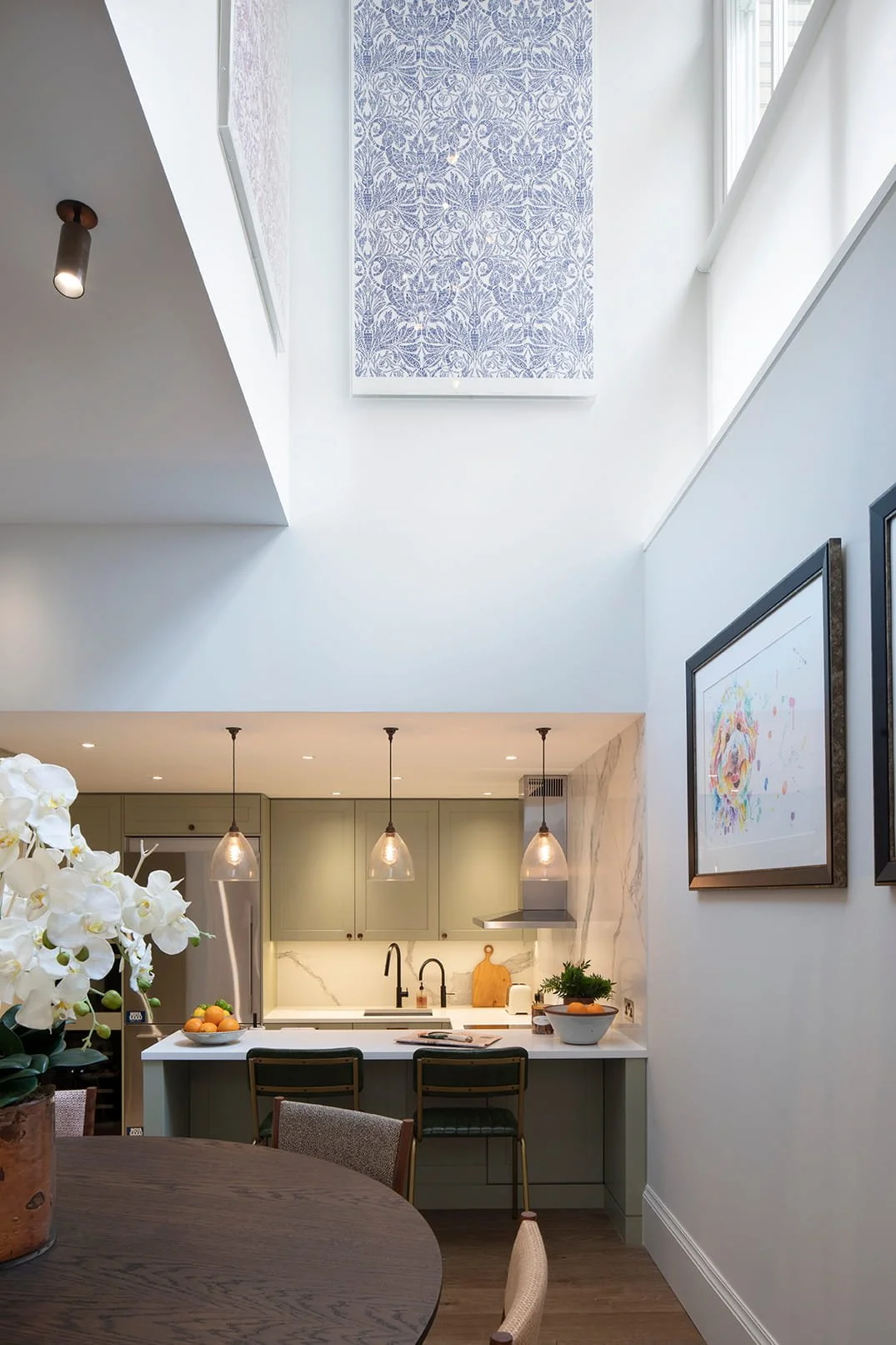
The Belgravia Pied a Terre project was a three-bedroom apartment that needed a lot of considerate and appropriate refurbishment. Our clients wanted the gorgeous architectural details to stand out, and we also adjusted the layout of the whole apartment so that each bedroom could have an en-suite.
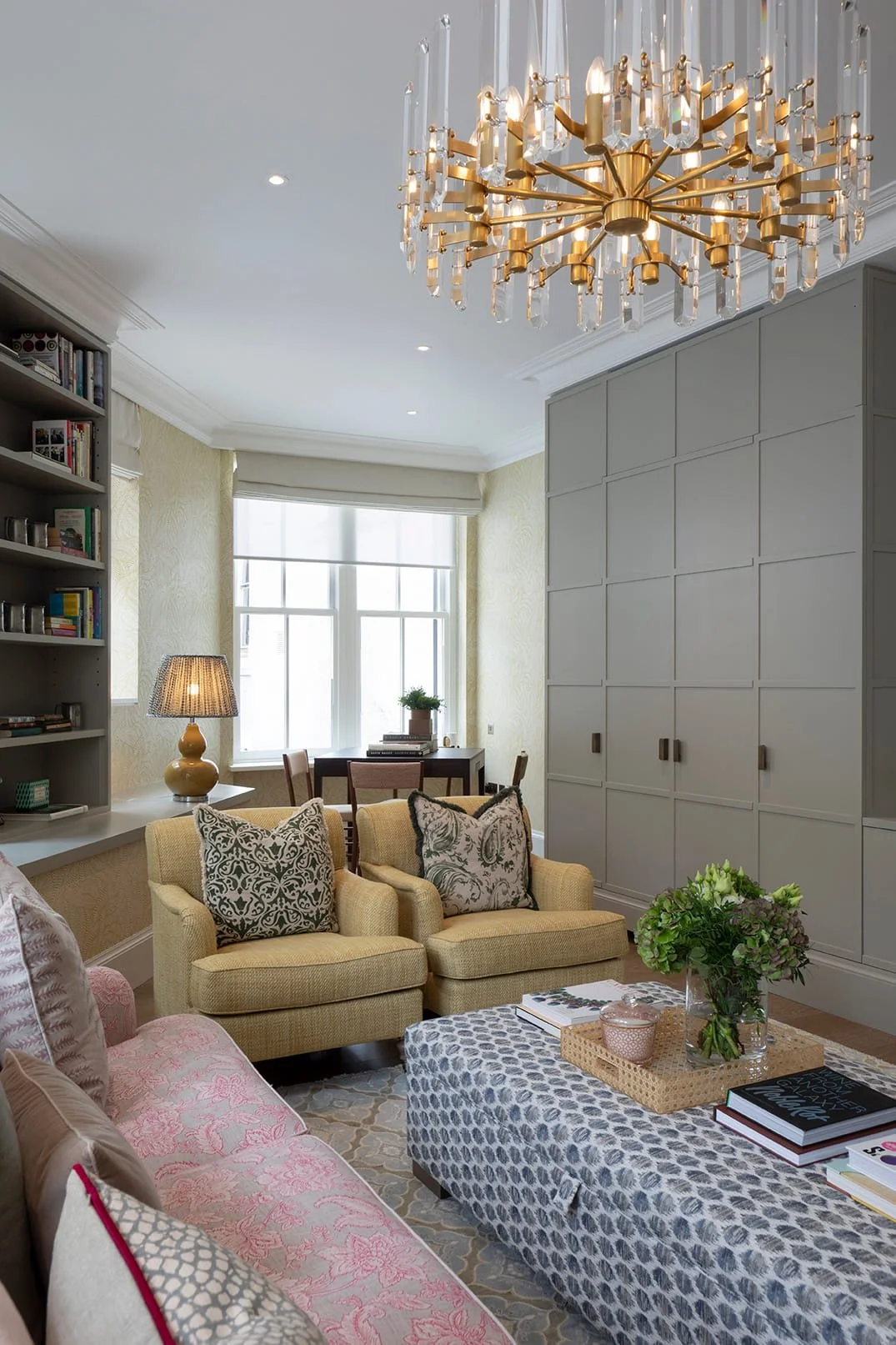
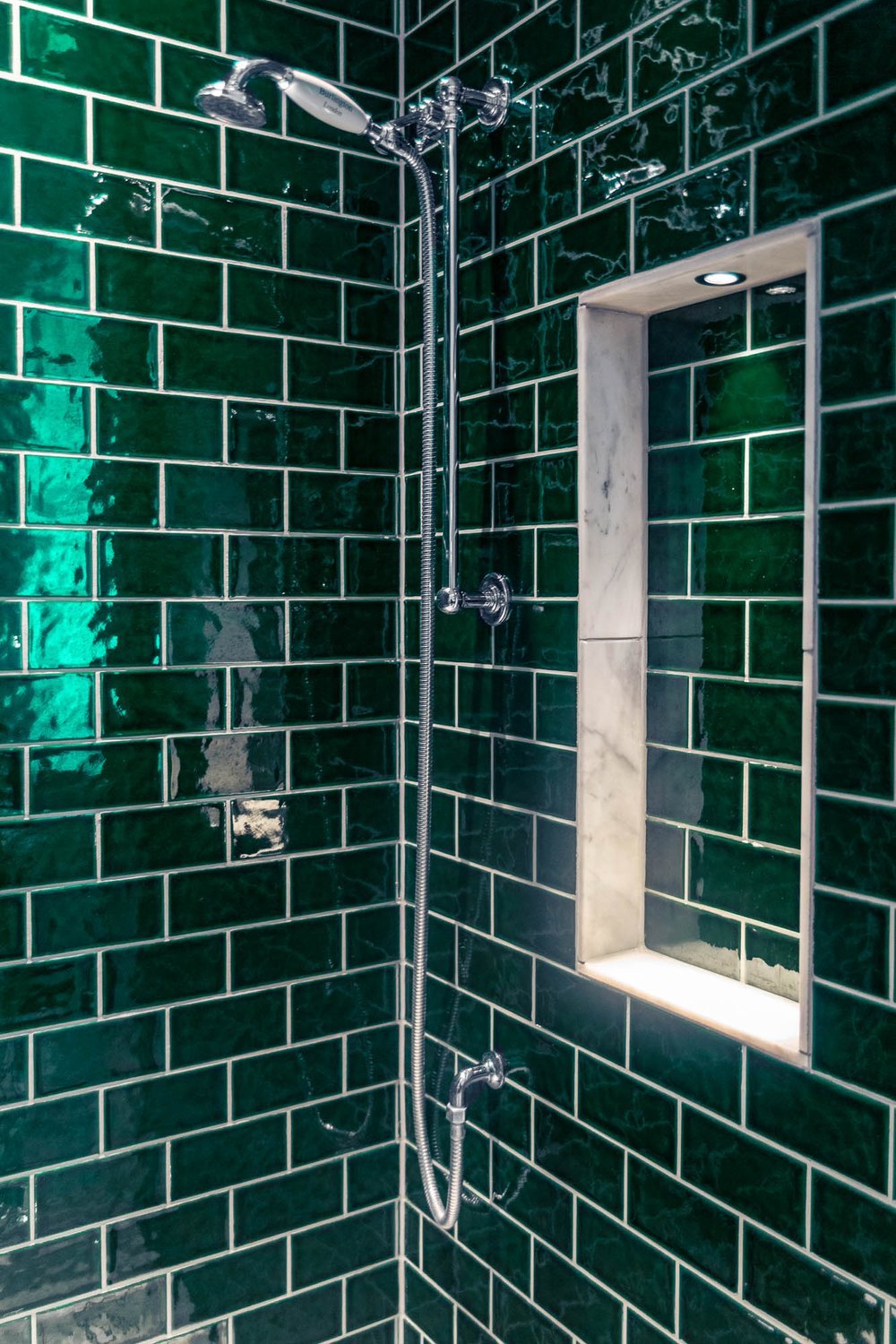
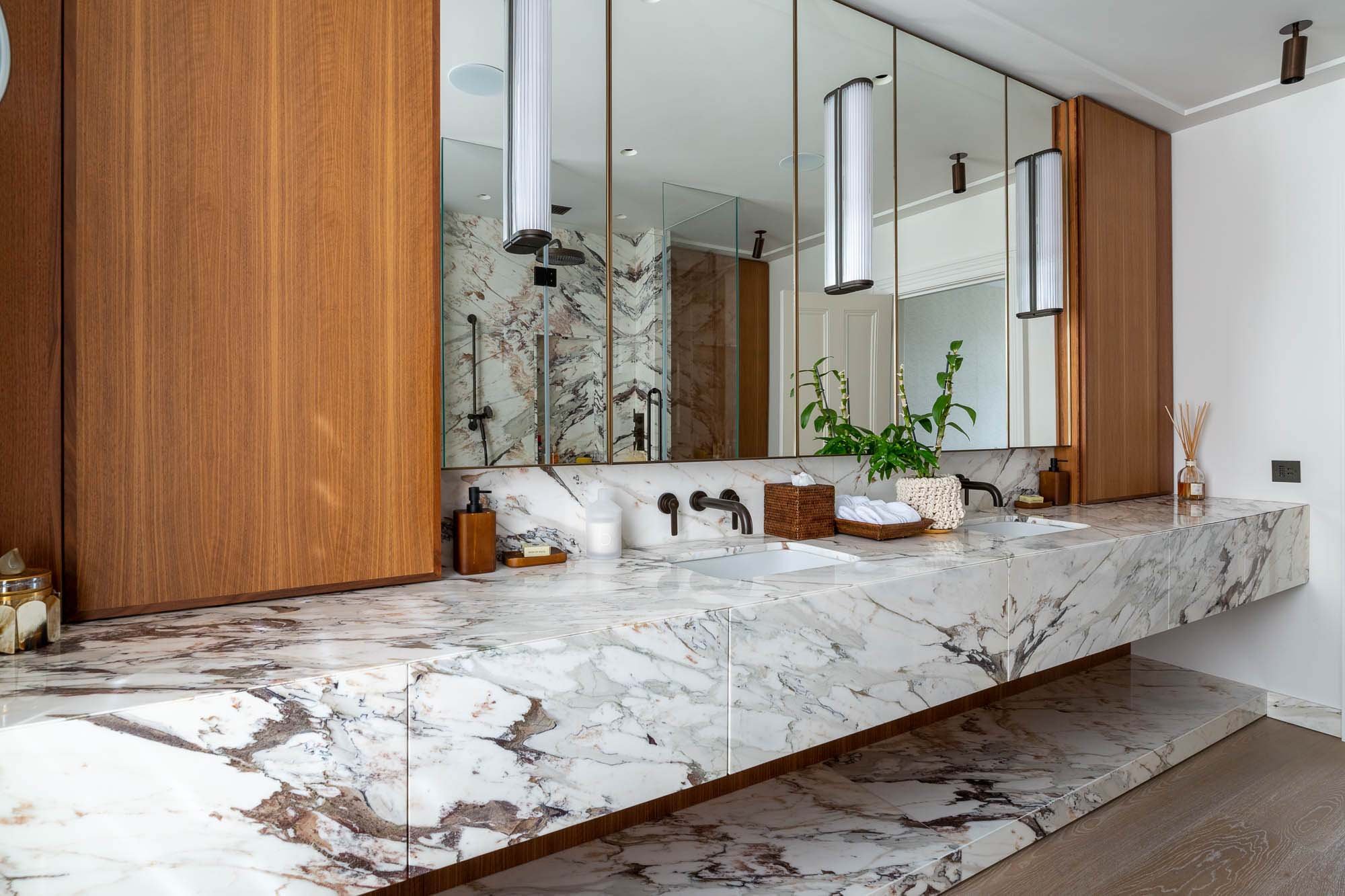
Not all our projects are enormous family homes! Our recent Chelsea Terraced Apartment project was complex, split over two floors and involved adding a new roof terrace. We re-designed the bathrooms and created bespoke cabinetry throughout, making the best use of the space available.
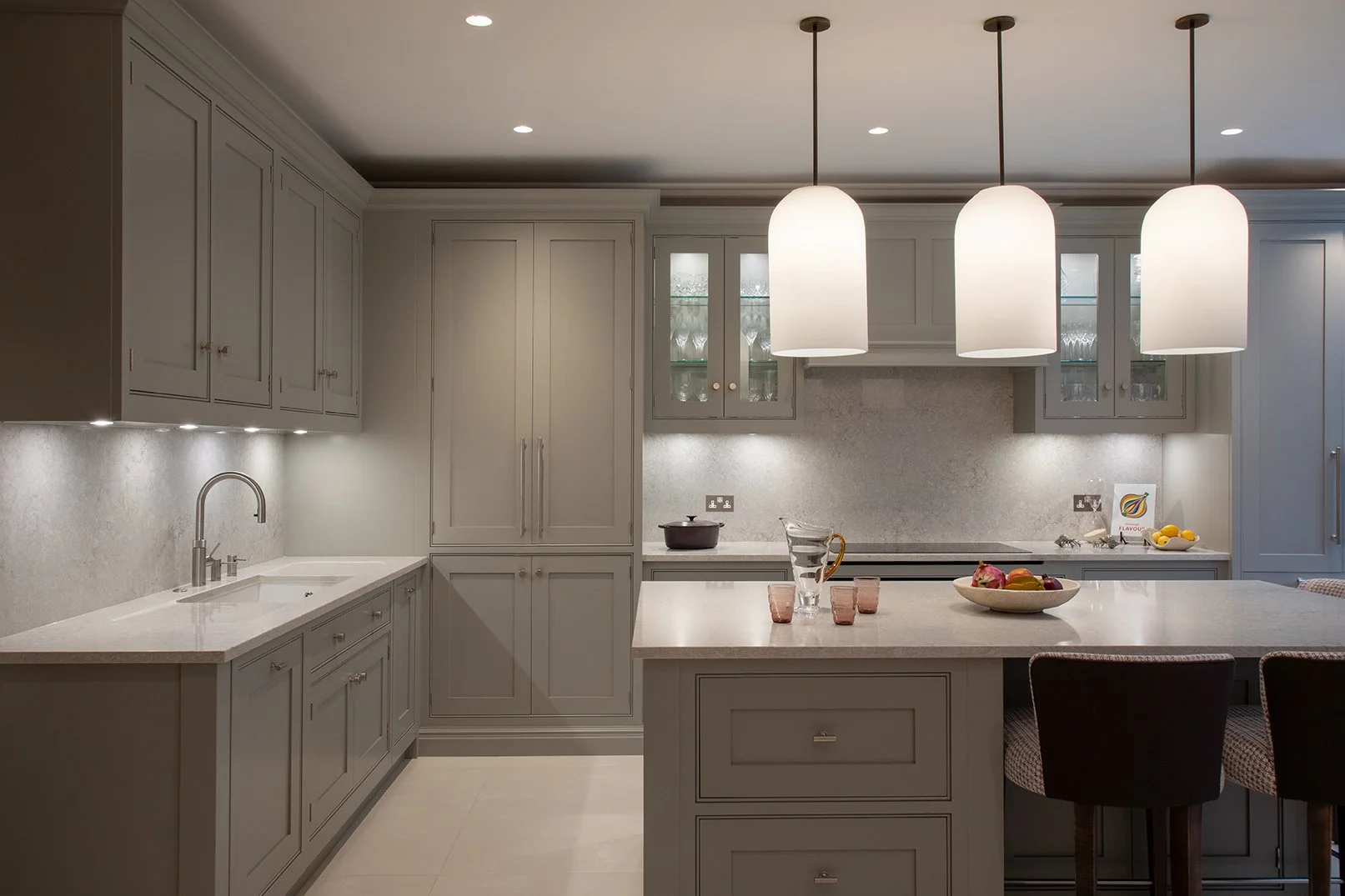
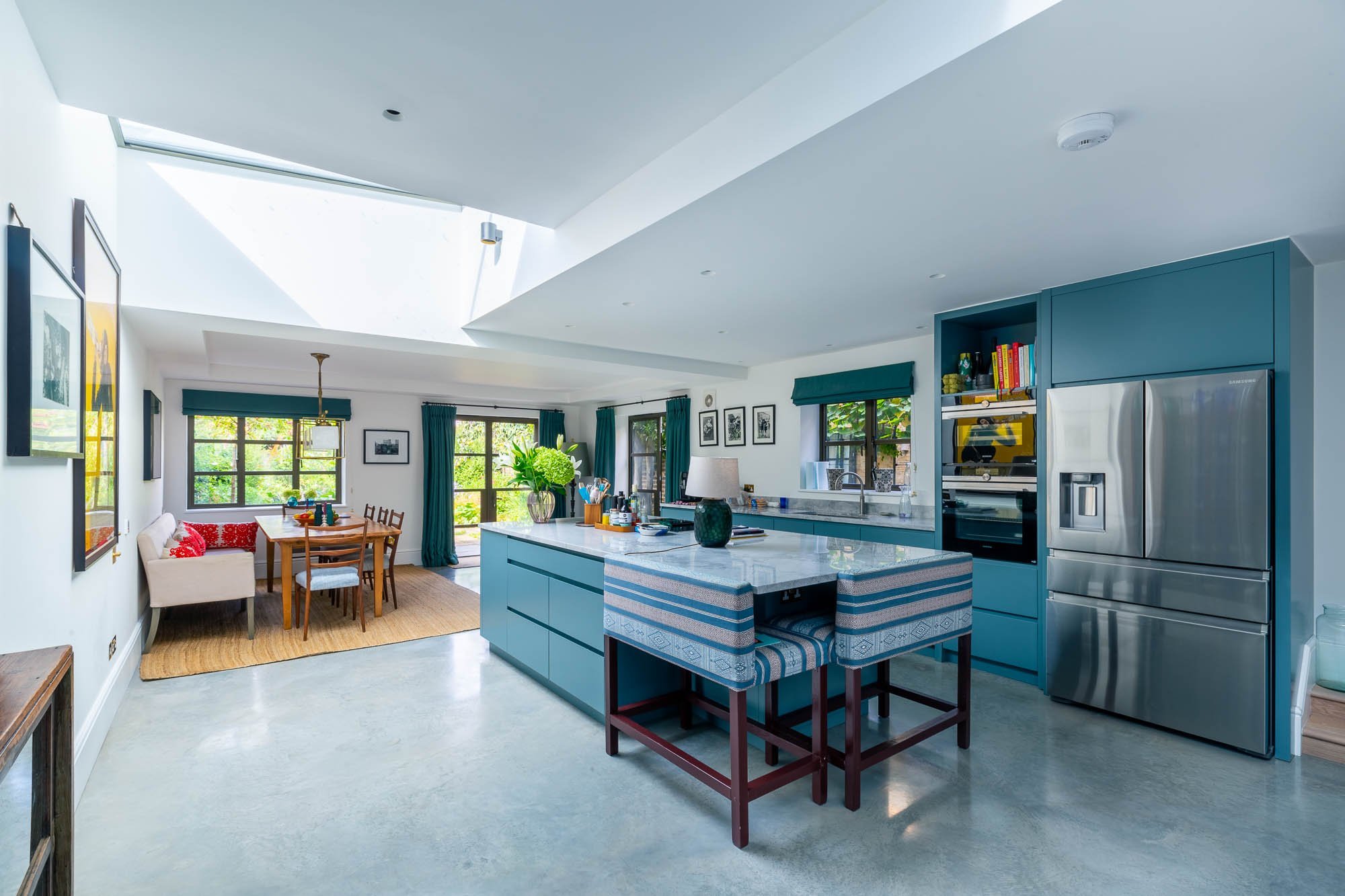
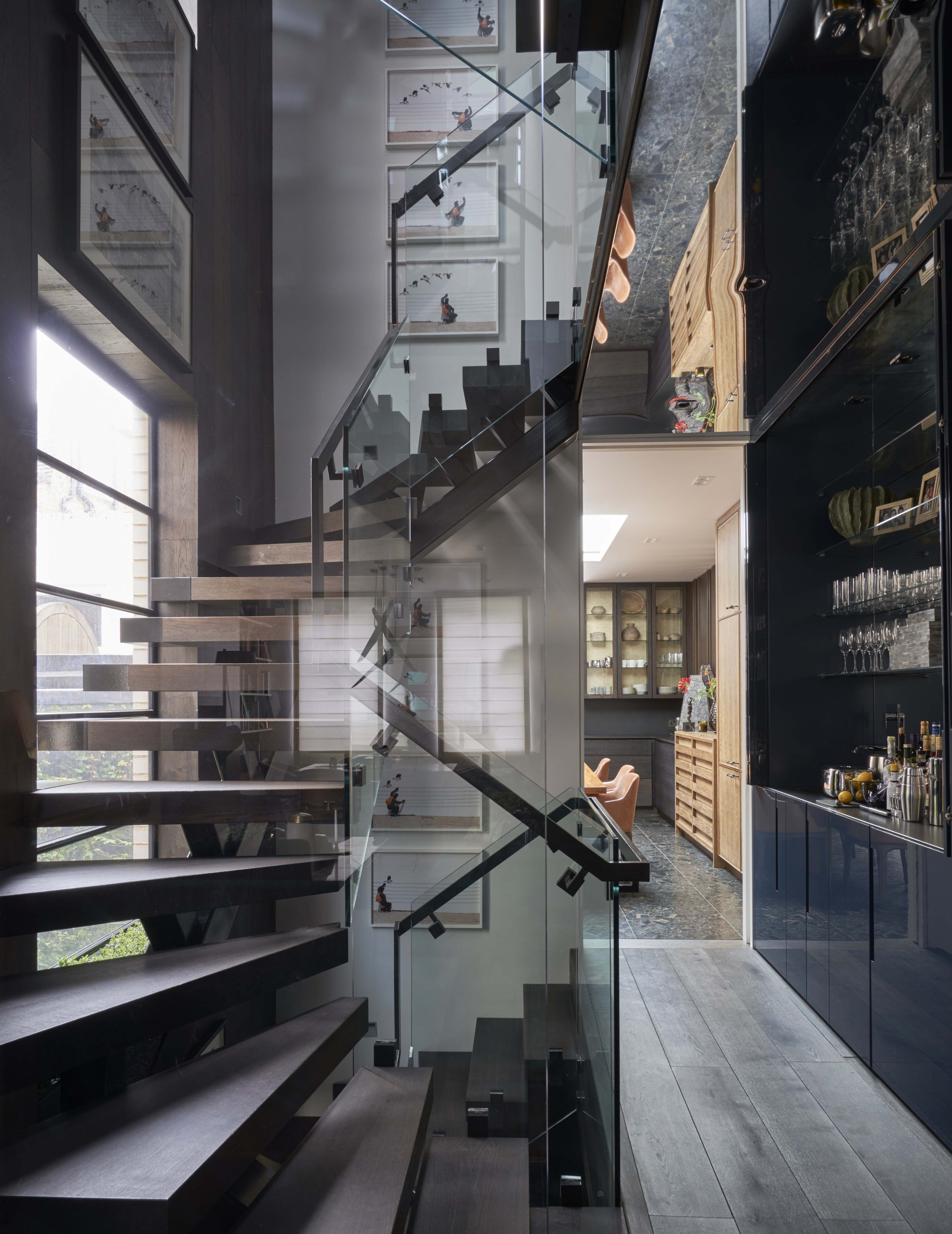
Our Belgravia Mews Family Home was an extensive refurbishment which completely transformed a tired mews house into a stunning, streamlined and elegant family home. Bespoke joinery and cabinetry throughout made the most of the floorspace, with colours and textures flowing seamlessly from room to room.
Get in touch
Get in touch with us via our Contact page or take a look at our Instagram feed @joneslambellellis to see some of our splendid projects and stunning transformations.
Other services
The JLE Studio team is multi-talented, and our projects involve many very specific requirements. We are known as residential architects who specialise in full-house refurbishments with highly regarded experience and knowledge of working with Listed buildings. We can deal with planning applications, look after a feasibility study and compile tender packages. Find more details on our Services page.
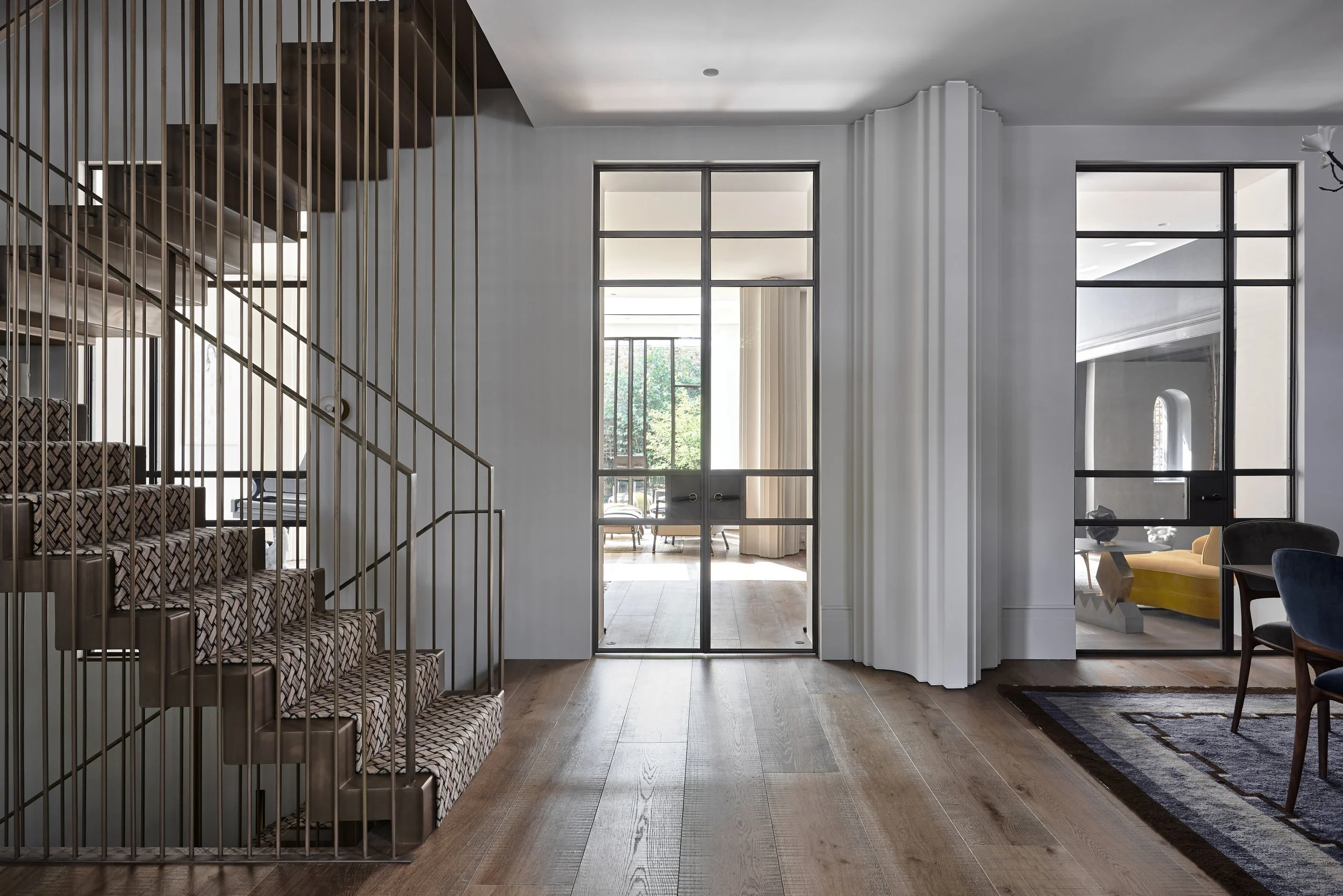
Our Residential Projects
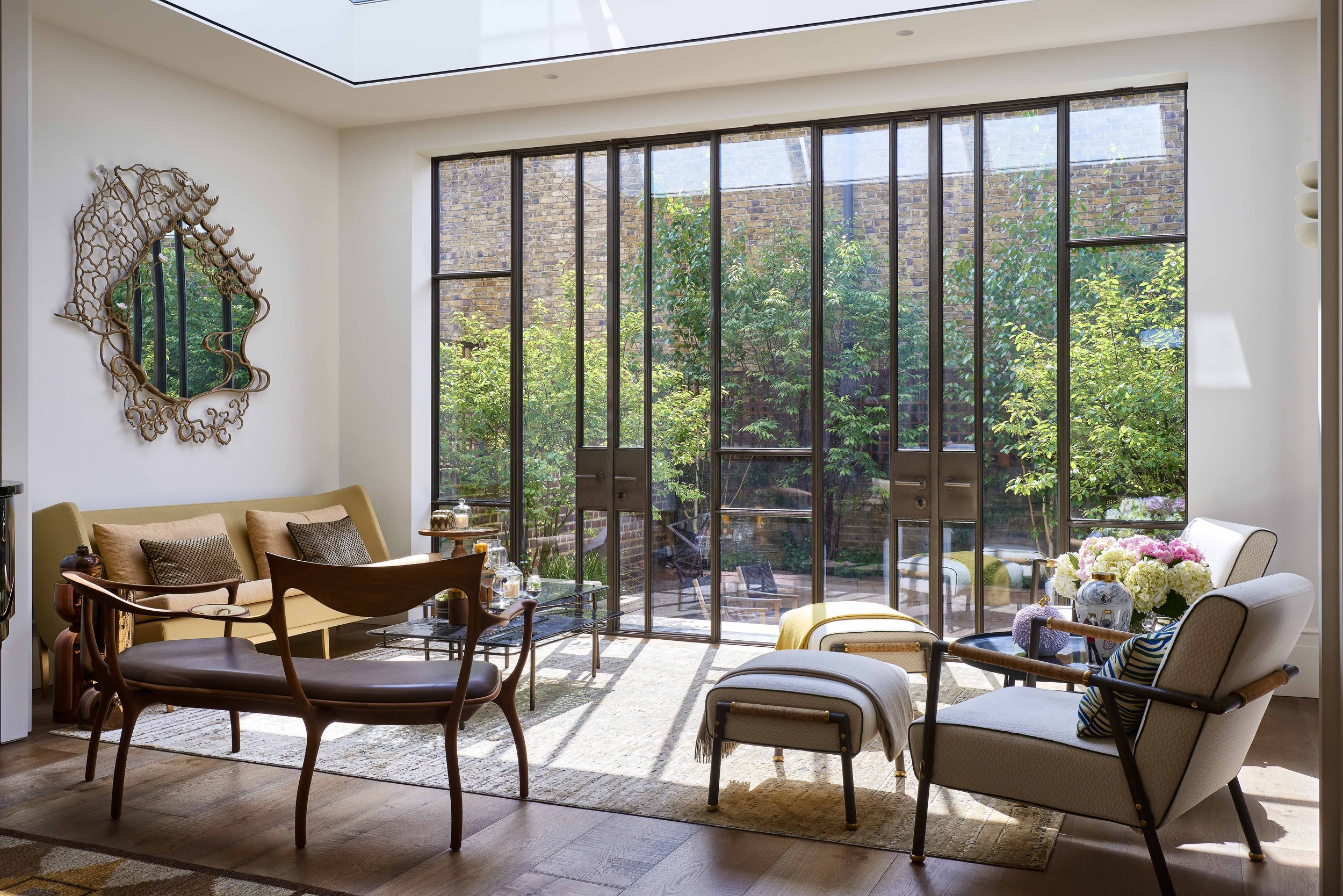
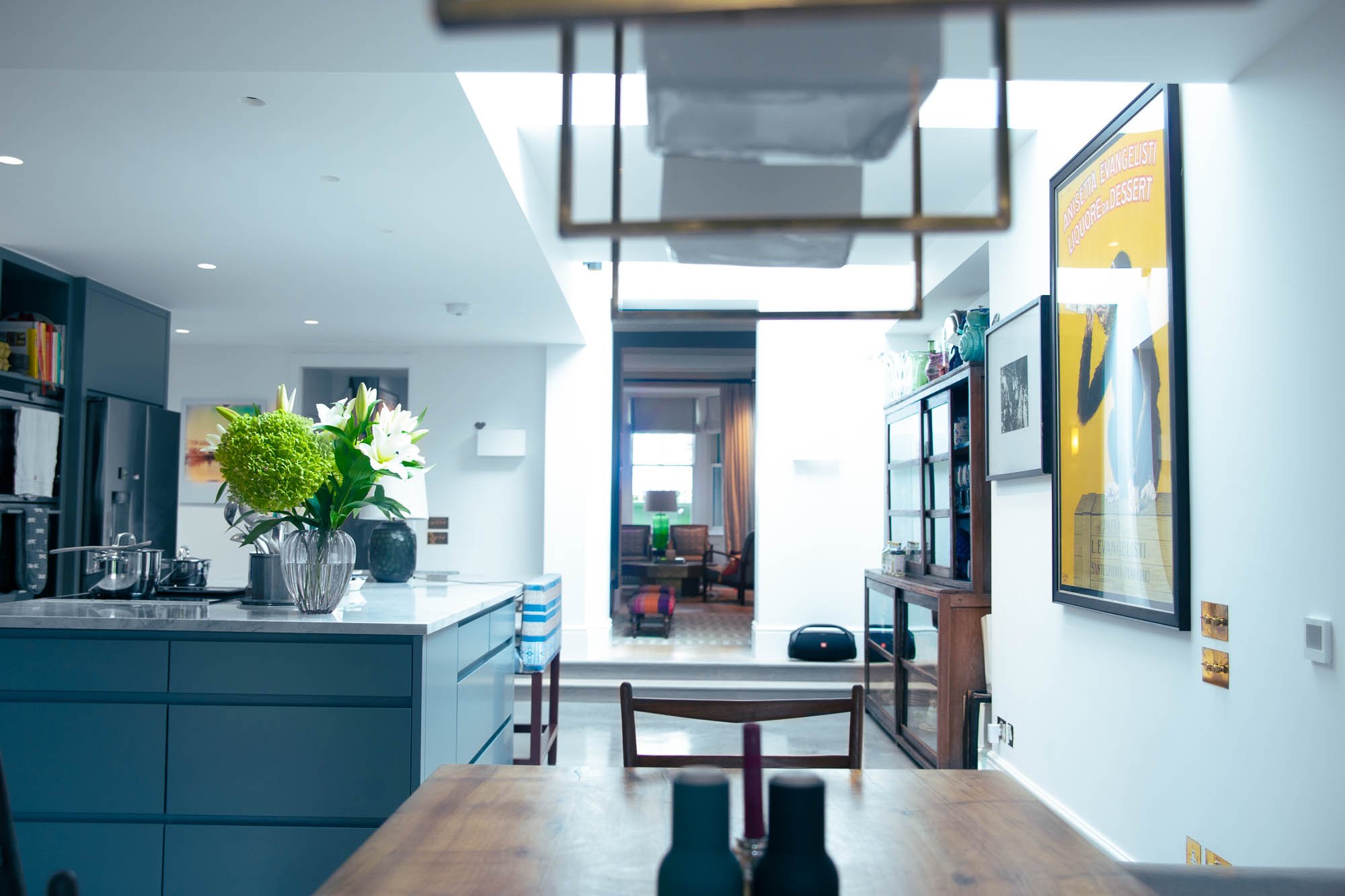
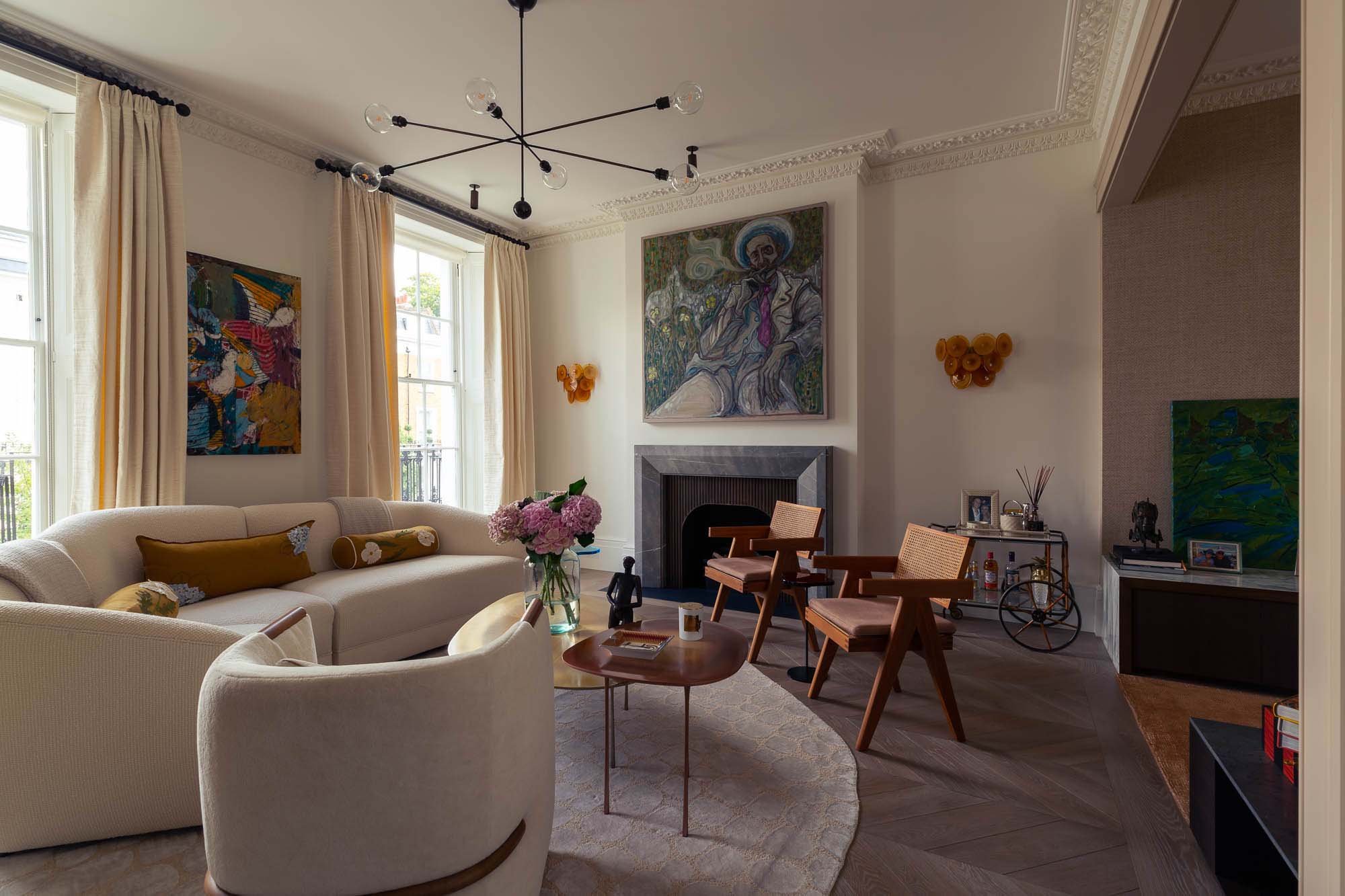
What Our Residential Clients Say About Us
-
“During lockdown we were lucky to be staying in our nice house which we love! We are really happy with how it turned out.”
Wandsworth Family Home
-
“JLE Studio have created a home that works for us, individually and as a family. We love it and couldn’t be happier with the outcome.”
Kensington Town House
-
"We couldn't be happier with our living space. JLE Studio were the epitome of professional."
Chelsea Townhouse






FAQ
-
A builder may produce excellent projects, from a kitchen extension to a whole-house transformation, but in general, the builder has little design input into the project. A builder generally follows the instructions and plans created by an architect. As architects we’re responsible for designing the space as a whole, in consultation with the owners and/or developers. The builder then follows our plans and instructions to build the project. As well as designing the space, an architect will put together the required planning applications and obtain any other consents required – for example if the project is a listed building or within an area of outstanding natural beauty AONB. We take care of all of this at JLE Studios when working on a project.
-
It all depends on the size, scope and complexity of the project. Replacing a run-down conservatory attached to an Edwardian home with a contemporary extension including floor to ceiling glazing and an additional utility room is rather different from creating a brand new home on a new plot!
Whilst working with us on a project you may need the services of …
A Kitchen Designer (to create the layout and design of the kitchen cabinetry within the new space)
An Interior Designer (flooring, paint/wallpaper, soft furnishings and window treatments)
A Quantity Surveyor (managing the construction costs and material requirements)
A Structural Engineer (ensures the design/materials specified will be suitable for the required use)
A Services Engineer (plumbing, drainage, electrics, connectivity)
We are here to help and advise on when this additional expertise is required and can recommend and manage some of our trusted partners to deliver these services.
Some compulsory services are also required on all projects, and can sometimes be included within the builders’ price and remit. These include:
Building Regulations (all new structures must adhere to Building Regulations)
CDM (Construction Design & Management Regulations)
Health & Safety Requirements
Again we can advise and make recommendations to guide you through the process and associated costs.
-
Planning permission isn’t always required. Some smaller projects can go ahead within ‘Permitted Development’ allowances, as long as the house or project isn’t a Listed Building or within a Conservation area. The home improvement section of the Government’s Planning Portal has lots of useful information for homeowners to research permissions and indeed, to make a planning application. We are always on hand to support and guide our clients through this process to make it as smooth sailing as possible.
-
It’s a statutory eight weeks from the submission of the planning application to receiving a decision from the Local Authority. However, you should also take into account the time needed to prepare the application – we recommend allowing around eight weeks, depending on the complexity of the project.
Local Authorities now prefer a Pre-Planning Application to be submitted, prior to the full application. This gives the Local Authority an opportunity to assess the application in outline and advise on the likelihood of permission being granted, before the full planning application (and all its associated costs) is submitted.
-
As the architects of a project, we would obtain quotes from different companies, [sometimes these are companies we have worked and partnered with before on previous projects]. We would then discuss and advise as to the best choices.
Possible surveys required could be:
A measured building survey (electronic drawings to provide precise measurements)
A drainage survey (to assess the condition of existing drains, particularly if an extension or new landscaping is required)
An asbestos survey (to find if existing structures that may need to be removed contain asbestos)
A geotechnical survey (if a new basement construction is part of the project)
-
In general, architects’ charges are based on a percentage of the builders' costs, and are charged in stages throughout the project. The fee is based on the final construction cost and not the builder's estimate. The Royal Institute of British Architects (RIBA) advises 15% but this can vary, again, depending on the individual project. The percentage fee is also applied to additional work that arises during construction.
-
This is a very difficult question, as there are so many variables … for example a change of mind on something that has structural significance at a certain point, which may mean adjusting several other elements of the project. In general, it usually depends on the overall size and complexity of the project. Time is needed to obtain the required permissions, for the proposals to be drawn up, and for the required experts and tradespeople to be available. But, on average, we allow …
Planning Permission to be obtained – around three months
Drawings for the builder to work to – around one to three months
Construction – allow six months to one year – depending on the size and scope of the project
-
This very much depends on what you want to achieve. Many of our clients have a ‘ballpark’ figure in mind, and at our initial walk-through meetings we are able to advise what is achievable within this budget or provide guidance on what budget would be needed to bring our joint vision to life.
-
As much or as little as you want! We find that many of our clients are focussed on the ‘finishes’, and are happy to let us as their architects deal with everything else. Many of our clients have the assistance of an Interior Designer, some bring a Kitchen Designer on board from the beginning, especially if the kitchen space is brand new, others lean on us to advise where additional expertise would be beneficial and we can work with our partners to deliver this.
-
The initial meeting usually takes place in person at the property, where we can discuss with you what you’re looking to achieve as we walk around the space. At this point the ideas will start flowing as we add in our own ideas and suggestions …
-
We recommend allowing between one to three months, depending on the size and scope of the project.
-
We like to refer to RIBA for this part as it forms a very clear structure which we are happy to talk you through in more detail during one of our consultation meetings:
Stage 1 - Pre-Design Discussion/meeting with client - No commitment
Stage 2 - Concept Design Planning Permission sought - No commitment
Stage 3 - Developed Design Detailed drawings produced - Client is committed from this stage
Stage 4 Technical Design Drawings and Tenders put out
Stage 5 Construction - On site
Stage 6 - Handover Project completed
A very useful and more detailed breakdown of services, stages and what you can expect is available here: RIBA
It may look complex and sound daunting, but remember, it’s our job to take the project from initial discussion to completion and to go through each step of the journey with you.