
Do you need planning permission for a conservatory?
The quick answer is ‘sometimes’. There are various things to consider, including the proposed size, whether it is open to the main part of the house, and whether or not the home is listed.
Is planning permission needed for a conservatory?
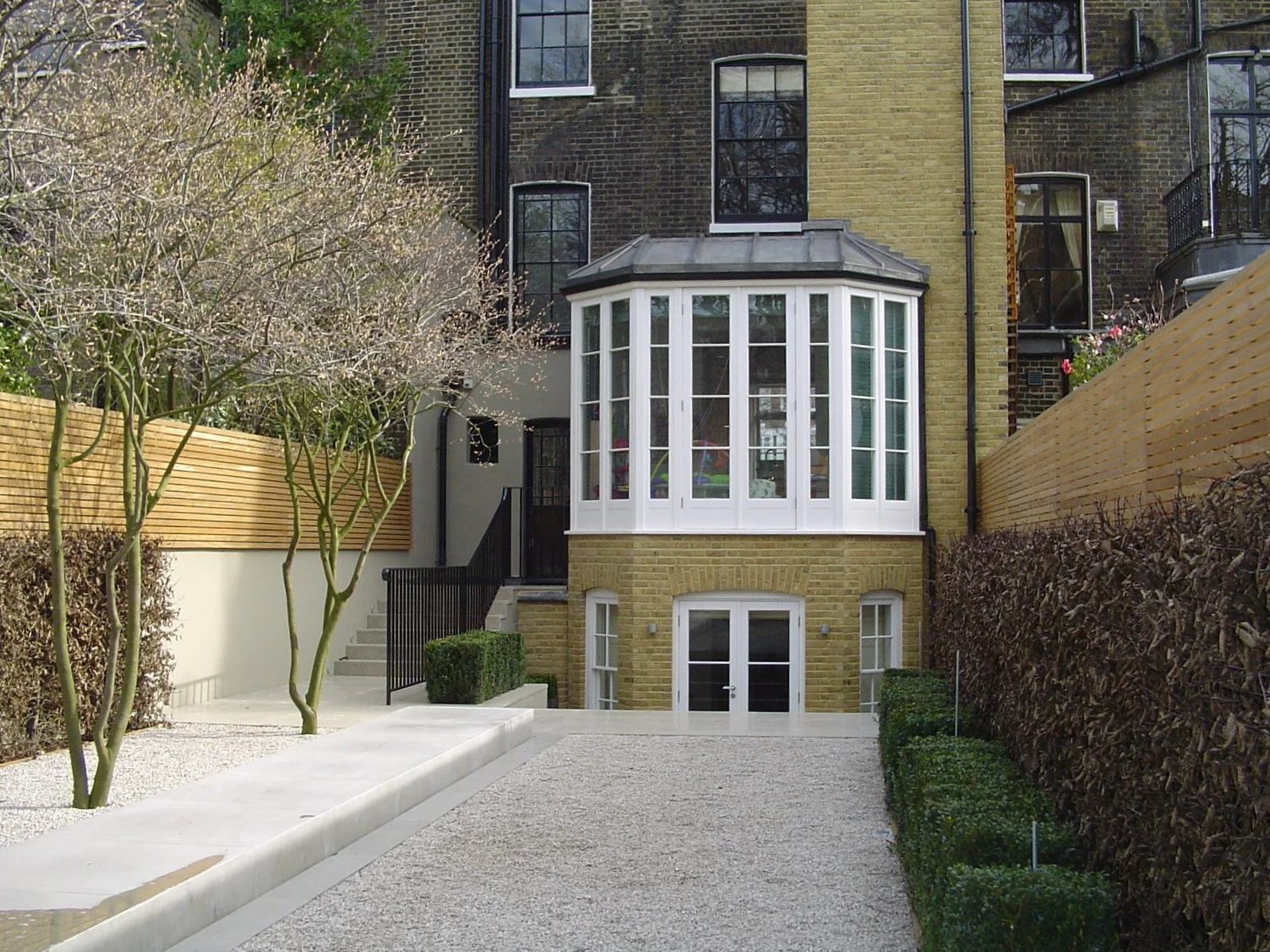
Conservatory planning permission isn’t always required and is dependent upon various factors. These include the size of the proposed conservatory, whether the house has already been extended and the permitted development status.
We have covered the subject of Planning Permission in our Journal stories. If the home is Listed, the proposed conservatory project will require Listed Building Consent. Our architects can advise informally on the subjects of planning permission, listed building consent, permitted development and building regulations from the outset.
The lines are starting to blur more and more between a conservatory and a glazed extension. Traditionally, a conservatory was a ‘glass house’ designed to be used as a sunny room to nurture exotic plants. It would have been separated from the main habitable part of the house by exterior-quality, secure doors. Today’s conservatories are often open plan to the main house and can also be described as orangery kitchen extensions.
A conservatory without planning permission:
Permitted development rights are explained in the Government’s Planning Portal. Our architects will be able to assess whether a proposed conservatory will fall within the boundaries of permitted development. If the conservatory is to be added to a flat or apartment, the situation will be different because of the leasehold situation. However, our expert architects will be able to advise on individual situations. We have discussed conservatory permitted development and rear extensions here in our Journal stories.
It is perfectly possible to add a conservatory to the rear of a house under permitted development rules. The principal rule to consider is that the conservatory extension cannot take up more than 50% of the outdoor space. This means that any existing structures or extensions must be taken into account.
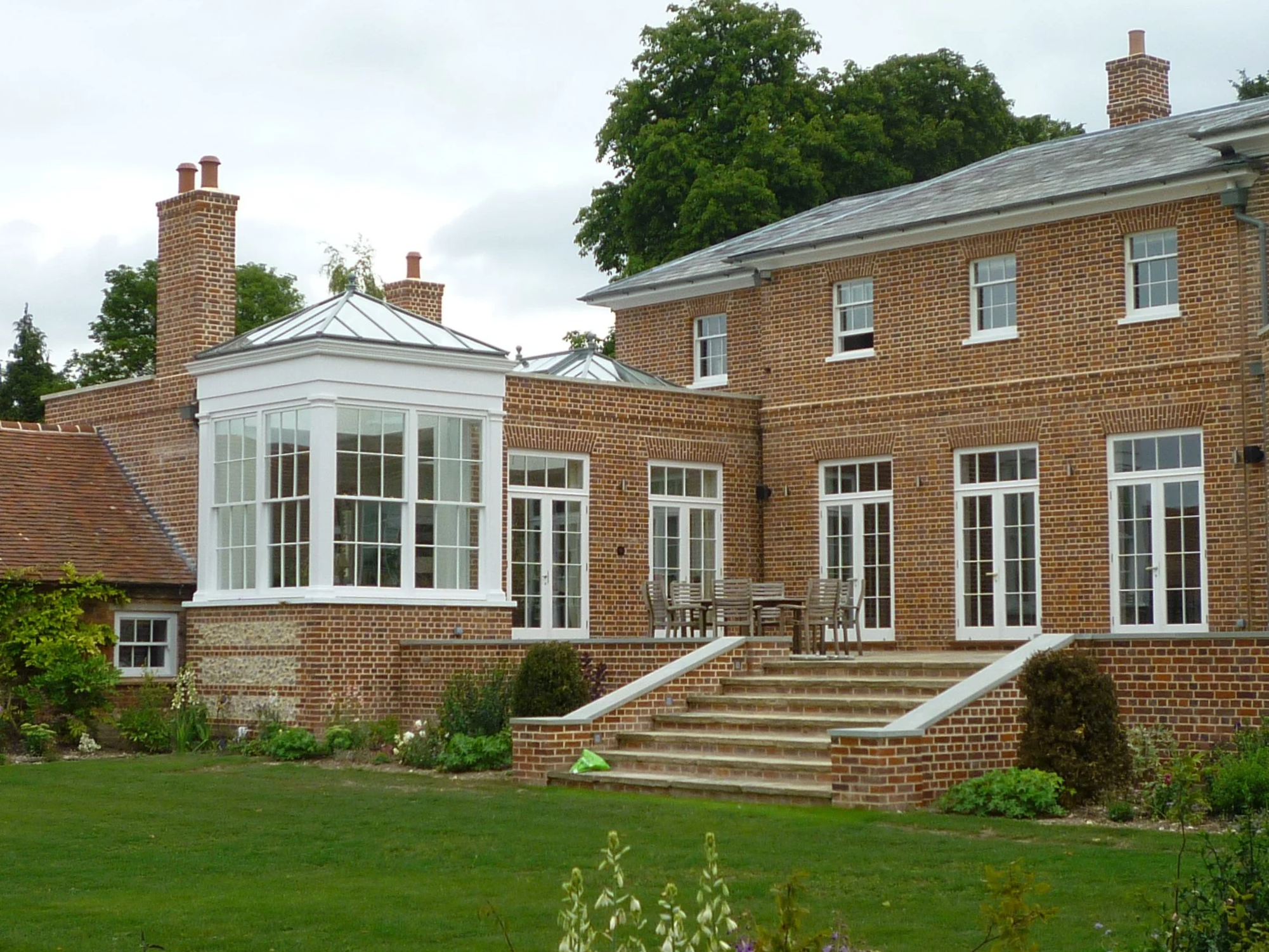
There are also height restrictions, so the conservatory extension must not be higher than the tallest part of the existing roof. A side conservatory extension is also possible, with slightly different rules. It should be single-storey, not taller than 4m and can be no wider than half the width of the original house. As always, there is useful information on the Planning Portal.
Can I build a conservatory without planning permission?
In a nutshell, yes, providing it falls within the aforementioned size limitations. However, remember that listed building consent and planning permission will be required if the house is Listed. Other limitations apply if the house is in a conservation area, an area of outstanding natural beauty, a national park, the Norfolk Broads or a World Heritage site. It’s also necessary that any new building is constructed within the rules and requirements of building regulations. This ensures that power supplies, glazing and any drainage systems are up to standard.
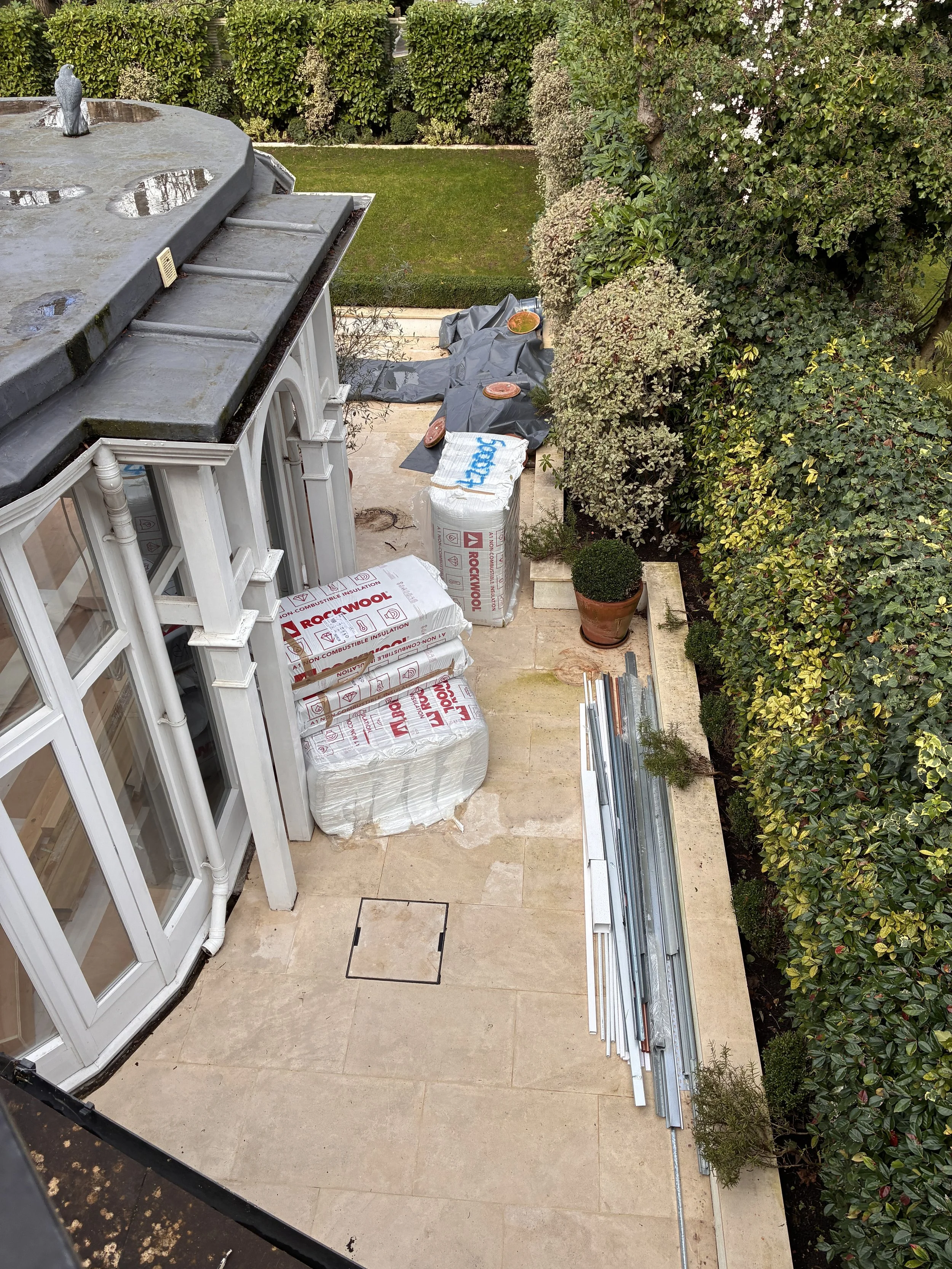
A recent on-site photo from one of our projects
How large can a new conservatory be without planning permission?
A habitable extension will have to fall within the boundaries of permitted development, as mentioned previously. Each project may have different limitations, depending on existing extensions or additions. It’s important to note that the term ‘original house’ refers to the size when it was originally built, in the case of period homes, as it existed in July 1948. For period homes, it’s necessary to check the deeds if, as the current owner, you are not sure about previous works. It’s all part of the architect’s role to consider whether planning permission is needed or not, and to assess permitted development allowances.
What is the difference between a conservatory and a conservatory extension?
The terms are often used interchangeably, but there is a difference. A conservatory is separated from the main house by exterior-quality doors, usually glazed, and often sliding or bifold. The conservatory can be fully glazed or have low brick-built walls. The roof is usually glazed and will probably need roof blinds to help shade the room on sunny summer days.
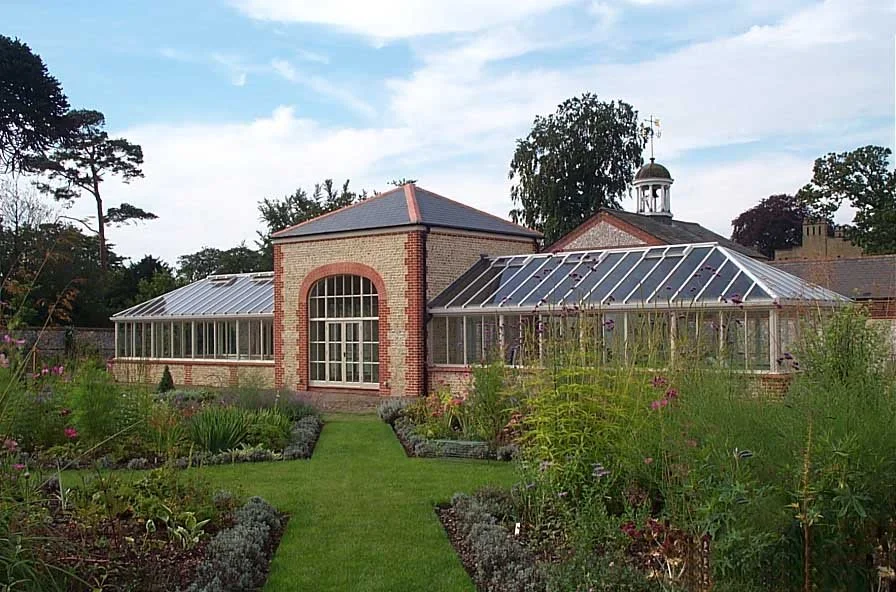
A conservatory extension is very often a single-storey ‘kitchen extension’ that has a part-glazed roof or strategically placed roof lights. In a terraced home, it will likely have full-width glazed doors opening into the garden. A conservatory extension is usually open plan, with the kitchen section within the footprint of the original house – this allows the use of wall cabinets. The new conservatory extension is often used as a family room, dining room and playroom, benefitting from lots of daylight and easy access to the garden.
What will a conservatory extension cost?
The costs of any project can vary greatly, depending on whether it is part of a full house refurbishment or an addition to an already spruced-up home. There are lots of variables to consider, from the condition of the existing ground, access to the site and whether the conservatory will be open-plan to the rest of the house.
Contact our architectural team to discuss the proposed conservatory project, and our experienced architects will be able to suggest some outline costs.
The JLE Studio expert view
Experience and knowledge of many conservatories and similar projects allow our expert architects to design the very best project for your house. We can maximise the available space, making the best use of the land available to produce a harmonious and balanced design.